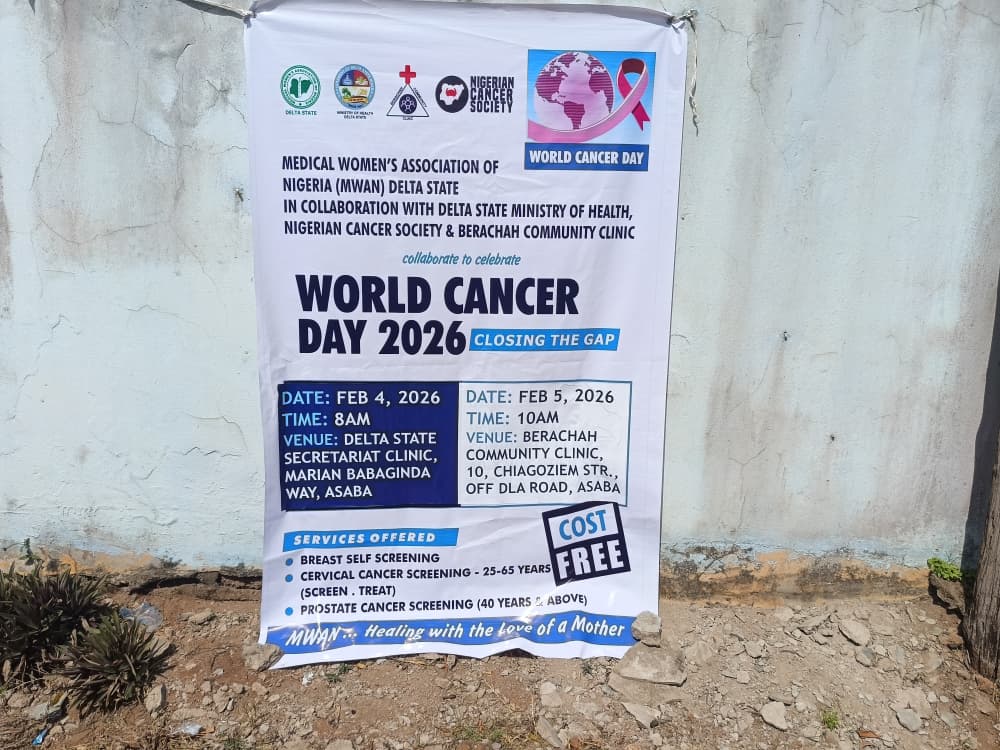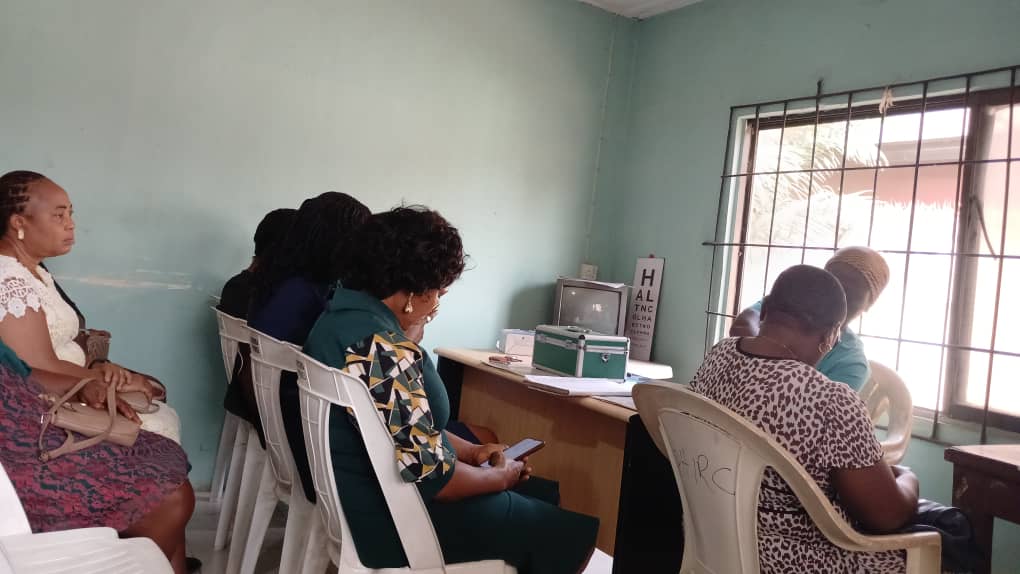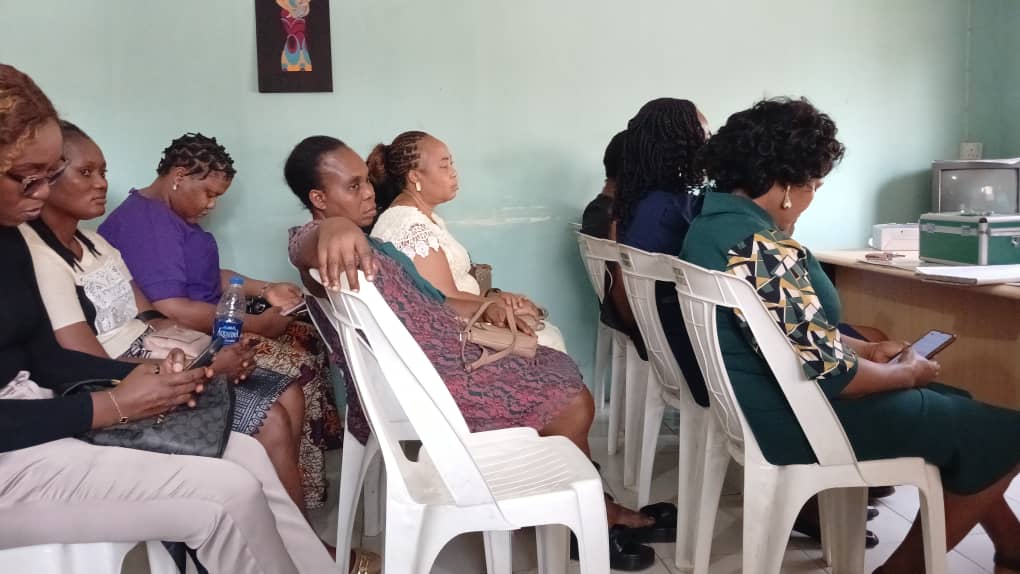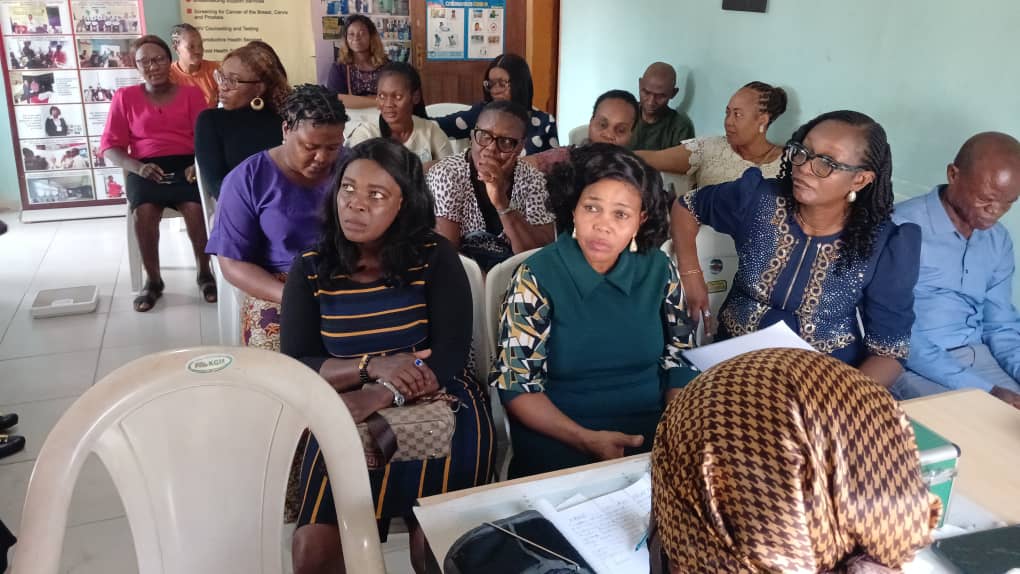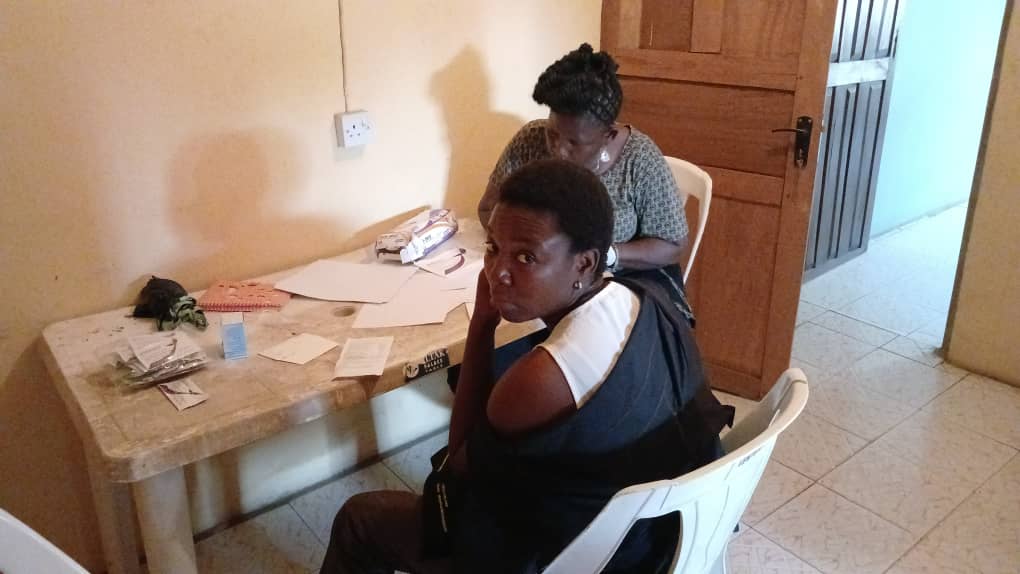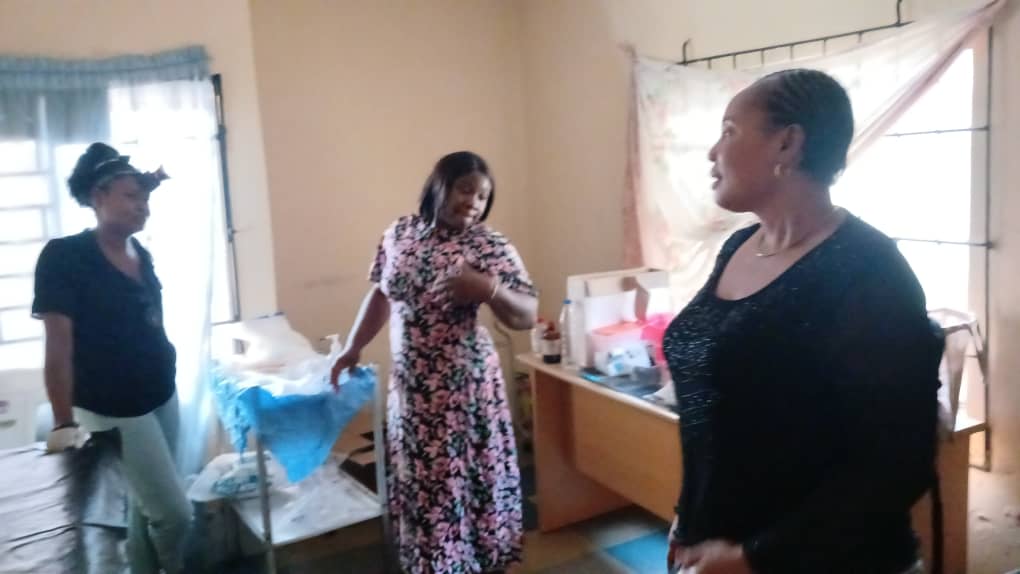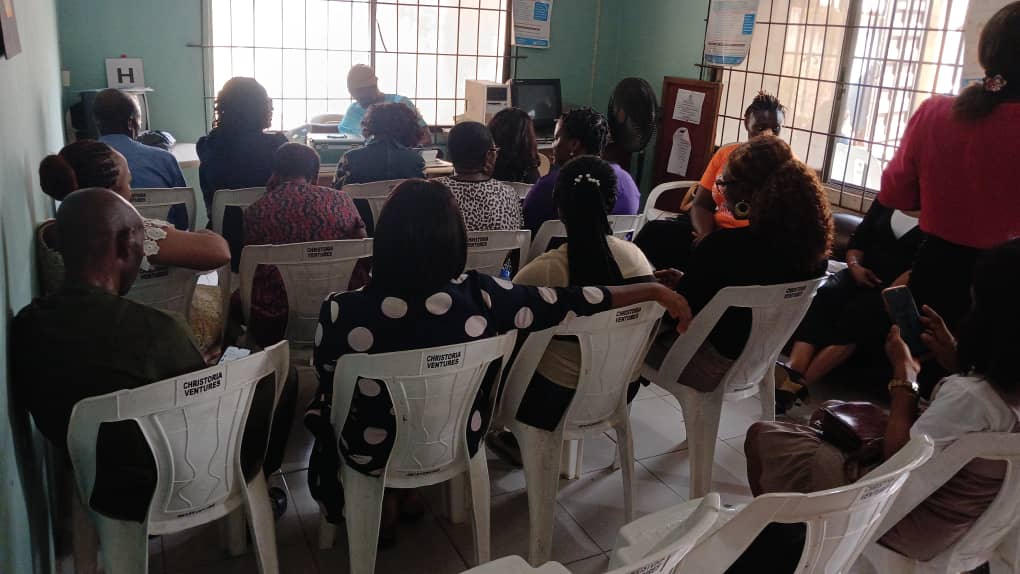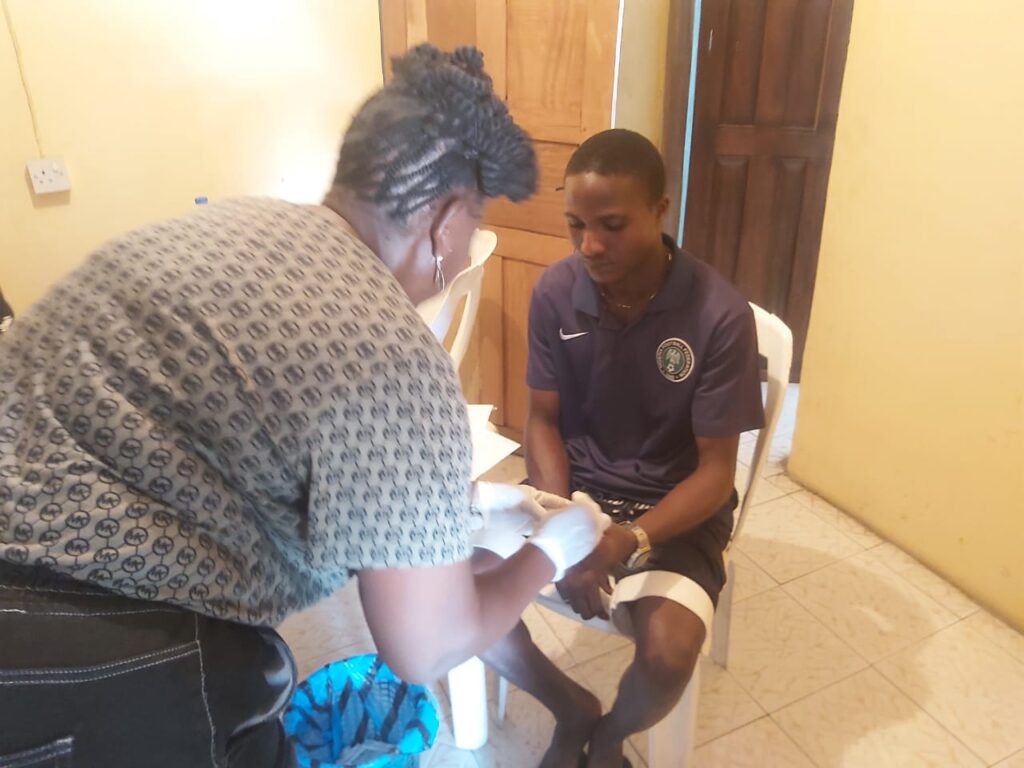
Every year, World Cancer Day reminds us of a simple but powerful truth: early detection saves lives. In 2026, under the global theme “Closing the Gap,” that message came alive in Asaba through a community-focused cancer screening outreach aimed at education, prevention, and access.
Bringing Cancer Awareness to the Community
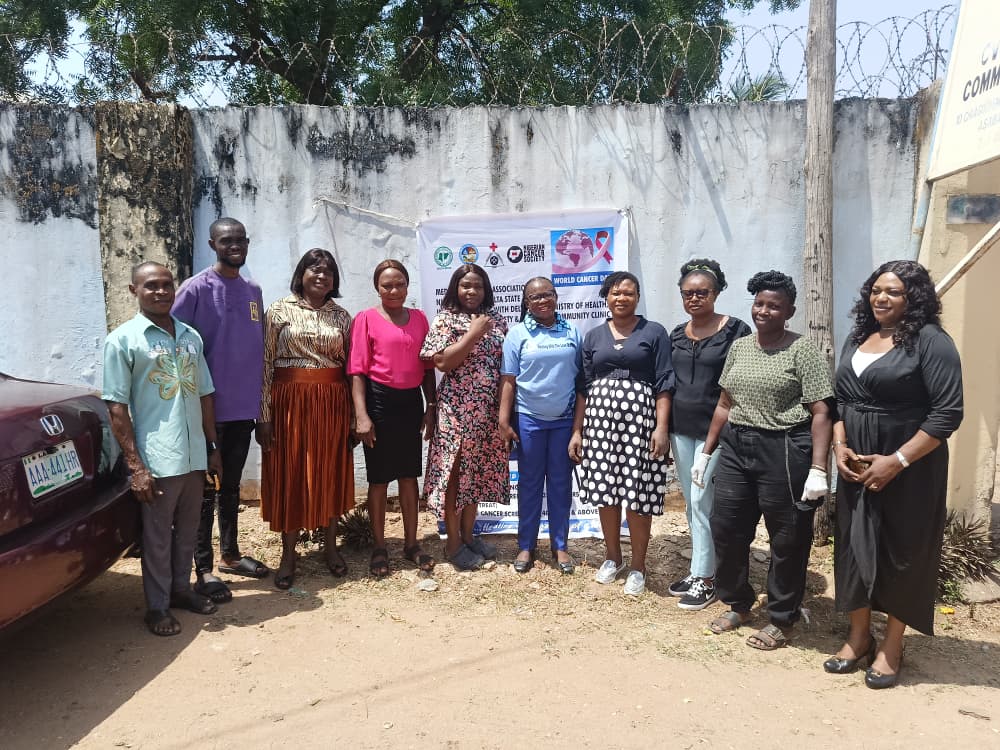
The outreach was organised by the Medical Women’s Association of Nigeria (MWAN), Delta State, in collaboration with the Nigerian Cancer Society and Berachah Community Clinic—a sister organisation of the Public Health Impact Research Centre.
Rather than waiting for people to visit tertiary hospitals, the organisers took screening services directly to the community, creating a safe and welcoming space for learning and early detection.
Date and Venue
The screening exercise took place on 5th February 2026 at Berachah Community Clinic, Off DLA Road, Asaba.
What the Outreach Offered
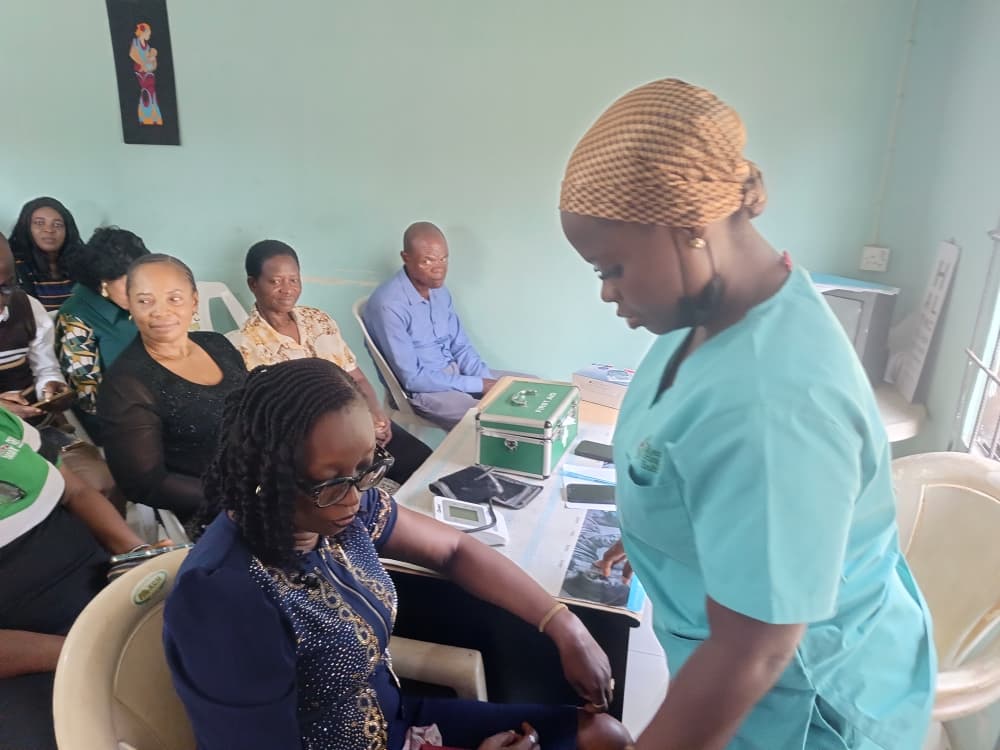
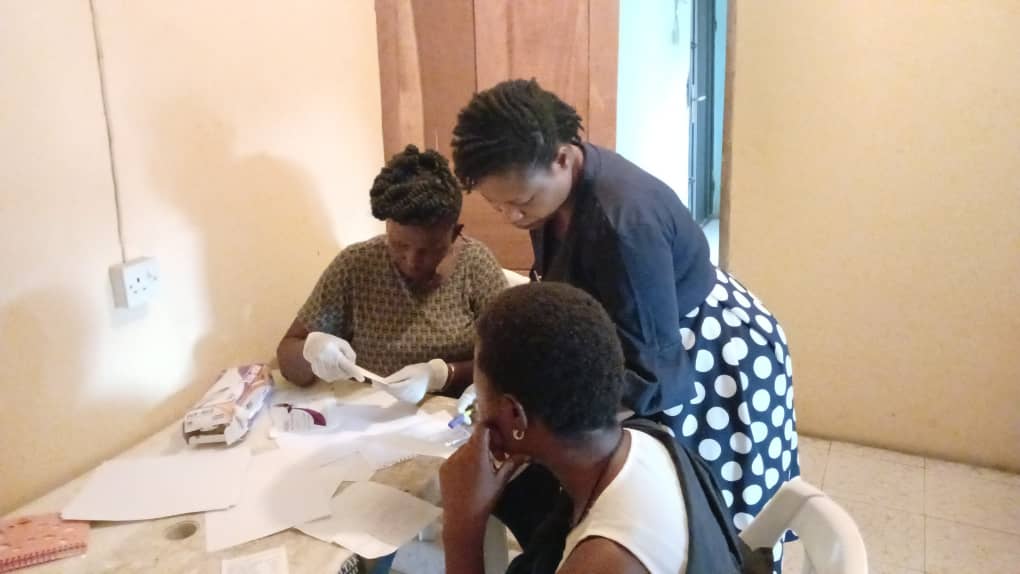
Participants received both education and hands-on screening services:
- Breast self-screening education for women
- Cervical cancer screening for women
- Prostate cancer screening for men
In addition to the tests, health professionals took time to explain why routine screening matters and how individuals can take ownership of their health.
Participation at a Glance
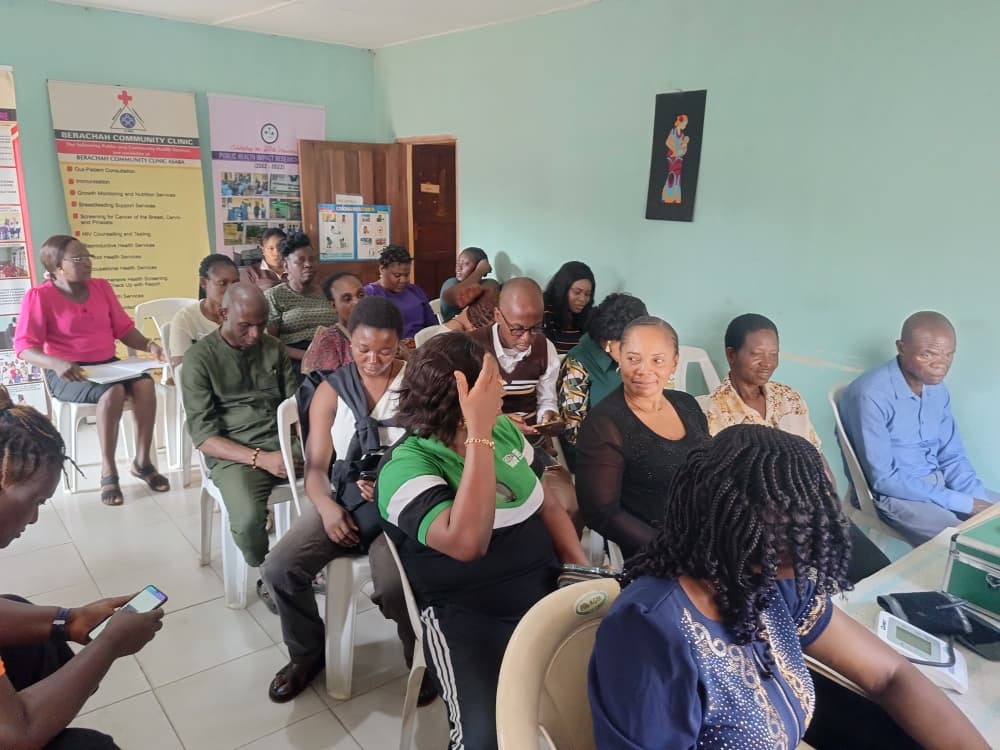
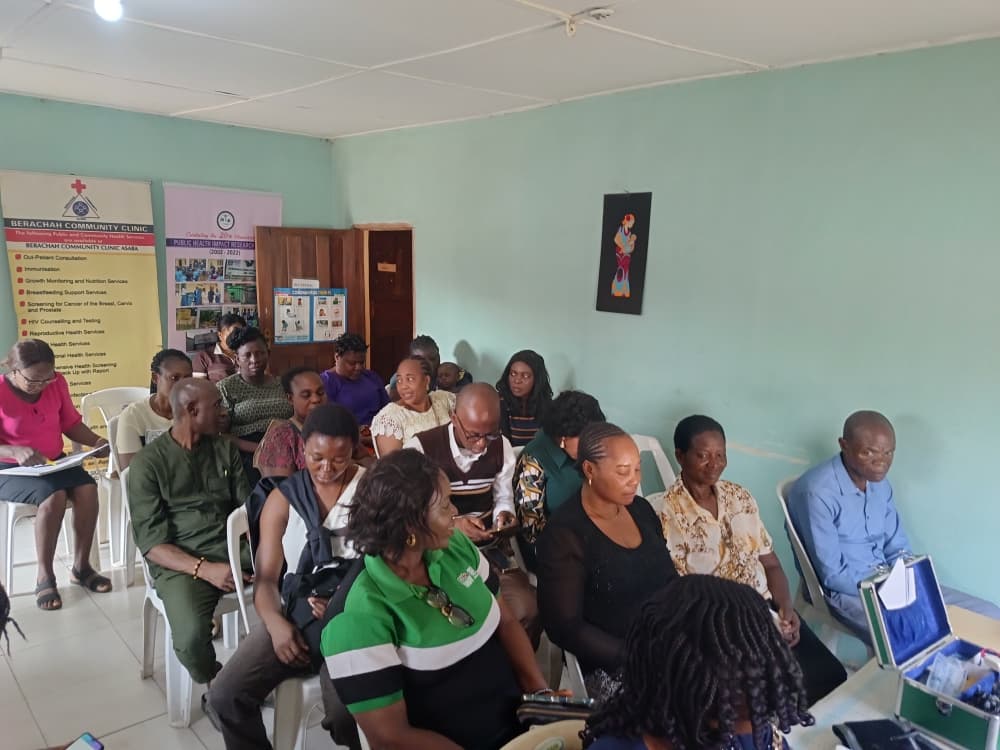
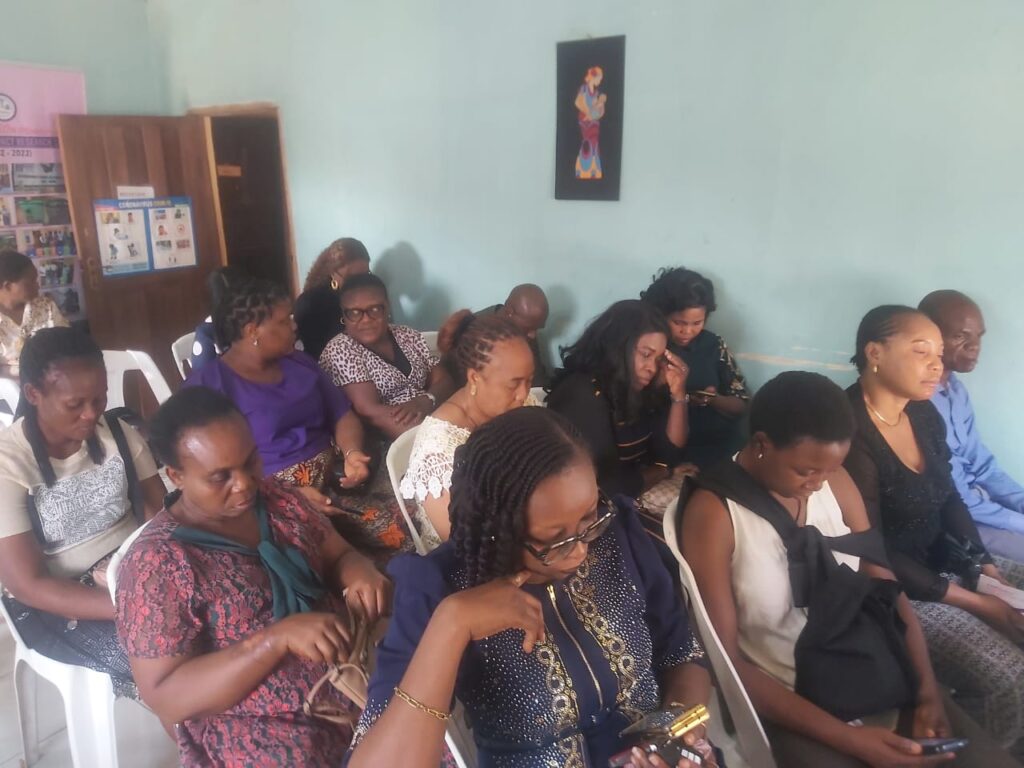
A total of 33 people participated in the outreach:
- 29 women received breast self-screening education and cervical cancer screening
- 4 men participated in prostate cancer screening
Key Observations
One of the most striking outcomes was the strong engagement from women, many of whom were eager to learn, ask questions, and take advantage of the screening opportunity.
However, male participation was noticeably low, with only four men presenting for prostate screening. This highlights an ongoing challenge: men often delay or avoid preventive health checks due to stigma, fear, or lack of awareness.
Closing the Gap—What Comes Next
The World Cancer Day 2026 outreach successfully raised awareness and delivered critical early-detection services, particularly among women. To truly close the gap, future efforts must place stronger emphasis on male-focused outreach, reassurance, and targeted education.
Cancer screening should not be an exception it should be a community norm. With sustained advocacy and inclusive engagement, more lives can be saved through early detection and timely care.